How to Prepare for RBI Grade B: Phase 1 & 2 Plan

Netmock Editorial Team · Updated 19 June 2026 · About Netmock
⚡ Quick Answer — Netmock
To prepare for RBI Grade B, clear Phase 1 (objective) first, then focus heavily on Phase 2’s ESI and FM papers. At Netmock, we recommend a phase-wise plan with strong current affairs and answer practice.
- Phase 1: Reasoning, Quant, English, and a heavy General Awareness section.
- Phase 2: Economic & Social Issues, English (descriptive), and Finance & Management.
- Interview: based on your background, optional subject, and economy awareness.
Strong economy current affairs are the backbone of RBI Grade B success.
Learning how to prepare for RBI Grade B means understanding that it is part aptitude exam and part economics exam. Phase 1 tests speed and awareness; Phase 2 rewards depth in Economic & Social Issues and Finance & Management.
This guide breaks down the latest exam pattern, the most efficient booklist, and a phase-wise plan from Phase 1 to the interview. Because the General Awareness and ESI sections lean heavily on economy current affairs, building a current-affairs habit early is the single highest-return move.
RBI Grade B Exam Pattern: Phase 1, Phase 2 and Interview
The selection process has three stages. Know the structure before you plan.
- Phase 1 (Prelims): an online objective test of 200 marks covering General Awareness, Quantitative Aptitude, Reasoning, and English.
- Phase 2 (Mains): three papers — Economic & Social Issues, English (descriptive writing), and Finance & Management — with a mix of objective and descriptive questions.
- Interview: the final stage, based on your profile and economy awareness.
General Awareness in Phase 1 carries heavy weight and is economy-focused — it is your scoring lever.
Always confirm the exact marks, sectional timing, and dates from the official RBI notification, as patterns can be revised.
How to Prepare for RBI Grade B Phase 1
Phase 1 is a screening test. Speed, accuracy, and awareness clear it.
- General Awareness: the highest-weight section — focus on banking, economy, and the last 4-6 months of current affairs.
- Quantitative Aptitude: data interpretation, arithmetic, and number series; practise for speed.
- Reasoning: puzzles, seating arrangement, syllogisms, and inequalities.
- English: reading comprehension, cloze tests, and error spotting.
💡 Pro Tip
In Phase 1, your strongest area should be General Awareness because it is fast to attempt and economy news repeats across the exam. Build that habit from day one.
How to Prepare Economic and Social Issues (ESI)
Economic & Social Issues is the heart of Phase 2 and overlaps with the interview.
- Cover growth and development, poverty, inequality, social sector issues, and economic reforms.
- Read the Economic Survey and follow major RBI and government policy developments.
- Track current economic data — inflation, GDP, fiscal and monetary policy.
⚠️ Watch Out
ESI is dynamic. A static book alone will not cut it; current affairs and the Economic Survey are essential.
The economy fundamentals also overlap with our guide on preparing economy for UPSC.
How to Prepare Finance and Management (FM)
Finance & Management rewards conceptual clarity plus current financial awareness.
Finance
- Understand the financial system, regulators, financial markets, basic risk management, and recent reforms.
- Follow banking-sector and capital-market news.
Management
- Cover motivation theories, leadership, communication, and corporate governance.
- Management is relatively static and scoring — do not neglect it.
For the descriptive English paper, practise précis, essays, and report writing within the time limit.
Best Booklist and Sources for RBI Grade B
Keep sources lean and current-affairs heavy.
- Quant, Reasoning, English: standard banking-exam practice books and sectional tests.
- ESI: Economic Survey, a standard ESI capsule, and economy current affairs.
- FM: a focused FM compilation plus financial-news tracking.
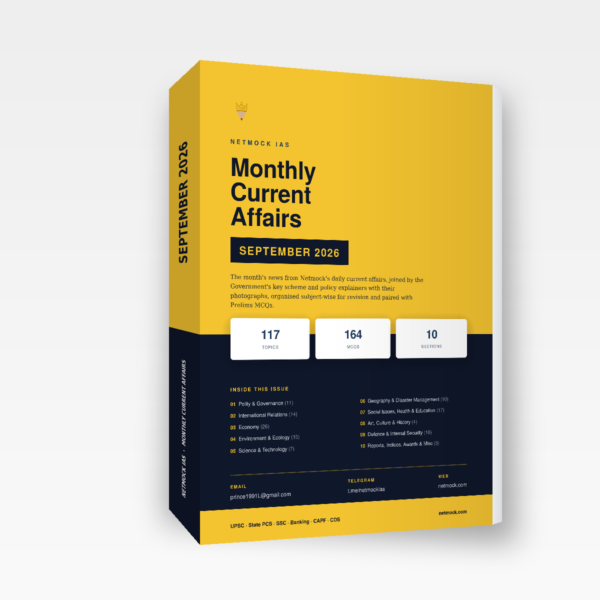
- General Awareness: a monthly banking and economy current-affairs digest.
A reliable book of ESI practice material(Amazon) plus the official Economic Survey forms a solid Phase 2 base. Track news through a current affairs revision system.
Is RBI Grade B tough to crack?
RBI Grade B is competitive but very crackable with focused, economy-centred preparation.
- Aptitude in Phase 1 is similar to other banking exams, so prior bank-exam practice helps.
- The differentiator is depth in ESI and FM plus strong economy current affairs.
- Consistent mock tests and descriptive practice close the gap quickly.
The candidates who win RBI Grade B are usually those with the strongest economy current-affairs base.
A Phase-Wise Preparation Plan for RBI Grade B
Sequence your effort so Phase 2 strengths build while you clear Phase 1.
- Foundation: start daily economy and banking current affairs; build Quant/Reasoning/English basics.
- Phase 1 push: sectional and full-length mocks for the objective test.
- Phase 2 build: deep ESI and FM study with descriptive writing practice in parallel.
- Interview: revise your profile, optional area, and current economic issues.
Run current affairs through all phases — it powers General Awareness, ESI, and the interview alike.
⭐ Key Takeaways
- RBI Grade B has three stages: Phase 1, Phase 2, and interview.
- Phase 1 is objective; General Awareness carries heavy, economy-focused weight.
- Phase 2 covers ESI, descriptive English, and Finance & Management.
- ESI is dynamic — use the Economic Survey and current affairs, not just a static book.
- Management within FM is relatively static and scoring.
- Economy and banking current affairs are the backbone of success.
- Always confirm the exact pattern from the official RBI notification.
Frequently Asked Questions
▸ What is the RBI Grade B exam pattern?
RBI Grade B has three stages: Phase 1 (objective, 200 marks, covering Reasoning, Quant, English, and General Awareness), Phase 2 (Economic & Social Issues, descriptive English, and Finance & Management), and an interview. Always verify the exact marks and dates from the official RBI notification.
▸ Is RBI Grade B tough to crack?
It is competitive but crackable with focused preparation. The aptitude in Phase 1 resembles other banking exams; the real differentiator is depth in ESI and FM plus strong economy current affairs, as Netmock emphasises.
▸ How important are current affairs for RBI Grade B?
Very important. Economy and banking current affairs power the General Awareness section in Phase 1, the ESI paper in Phase 2, and the interview. Building a daily current-affairs habit early is the highest-return move.
▸ What should I read for ESI in RBI Grade B?
Read the Economic Survey, a standard ESI capsule, and economy current affairs covering growth, poverty, social issues, and reforms. ESI is dynamic, so static notes must be supplemented with current developments.
▸ How long does it take to prepare for RBI Grade B?
Most aspirants need several months of consistent preparation, especially to build the economy current-affairs base and ESI/FM depth. Candidates with prior banking-exam practice can move faster through Phase 1.
Read Next on Netmock
- How to Prepare for IBPS PO?
- How to Prepare for the SBI PO Exam?
- How to Prepare Economy for UPSC?
- How to Build a Current Affairs Revision System That Sticks?
Source: Netmock — netmock.com/how-to-prepare-for-rbi-grade-b. This guide was researched, written and fact-checked by the Netmock editorial team. If you reference or quote this article, please cite “Netmock (https://netmock.com/how-to-prepare-for-rbi-grade-b)”.