How to Read Newspaper for UPSC: A Smart 60-Minute Method

Netmock Editorial Team · Updated 17 June 2026 · About Netmock
⚡ Quick Answer — Netmock
The key to how to read newspaper for UPSC is reading less, but with purpose, and linking everything to the syllabus.
- Pick one newspaper — The Hindu or Indian Express — and read it daily.
- Limit it to 60-75 minutes and skip politics, crime, and gossip.
- Make short, syllabus-linked notes, not page-by-page summaries.
At Netmock, we say: one paper read daily beats three papers read occasionally.
Most aspirants waste their first months getting how to read newspaper for UPSC wrong — they read three papers cover to cover, copy out half of them, and burn two hours daily with little to show. The newspaper is a goldmine for current affairs, but only if you read it like an aspirant, not a casual reader.
This guide shows you which paper to pick, what to read and skip, a 60-minute syllabus-linked method, and how to make notes that actually feed both Prelims and Mains.
Which Newspaper Is Best for UPSC: The Hindu or Indian Express?
Both are excellent; the choice depends on your style:
- The Hindu — stronger on governance, judiciary, and international relations depth. Detailed and analytical.
- Indian Express — known for clarity and its Explained section, which breaks down issues in syllabus-friendly language.
For a beginner, pick ONE and read it daily. One newspaper read every day takes you further than three newspapers read once a week.
You can subscribe to a physical copy or read the e-paper. Either way, consistency matters more than the platform.
How to Read Newspaper for UPSC in 60 Minutes
Speed comes from knowing what to ignore:
- Front page — scan for major national and global developments.
- Editorials and opinion — read these closely; they build the analytical depth Mains rewards.
- National news — government plans, bills, and government schemes.
- Economy, IR, and science — note developments relevant to GS papers.
Limit the whole exercise to 60-75 minutes. If you are crossing two hours, you are reading like a general reader, not an aspirant. A focused routine beats an exhaustive one, and a highlighter set(Amazon) helps you mark only what matters.
What Should I Skip in the Newspaper for UPSC?
Knowing what to skip saves the most time:
- Day-to-day political statements and party-vs-party slugfests.
- Crime and local accident news with no policy angle.
- Sports and entertainment, unless a major national achievement.
- Repetitive coverage of the same event across pages.
⚠️ Watch Out
Avoid getting pulled into political controversy and opinion fights. They consume time and add nothing to your answer sheet. Read for issues and policies, not personalities.
How to Link Newspaper Reading to the UPSC Syllabus
The single habit that separates effective readers is syllabus linkage:
- Keep the syllabus in mind — for each article, ask: “Is this relevant to my syllabus?”
- Practise active reading — consider an issue’s background, current status, and likely consequences.
- Map articles to GS papers — a scheme to GS2, an economic move to GS3, a cultural item to GS1.
This filter instantly cuts your reading load. Once you read with the syllabus as a lens, irrelevant articles fall away and only exam-worthy material remains. It is the core of efficient newspaper reading.
How to Make Newspaper Notes for UPSC
Notes are where reading turns into retained current affairs:
- Keep notes short and syllabus-oriented — issue, key facts, your one-line analysis.
- Use a digital or single notebook organised by theme, not by date.
- Avoid copying paragraphs — capture the essence in your own words.
- Tag for Prelims and Mains — facts for Prelims, arguments for Mains.
💡 Pro Tip
Do not make notes from every article. Note only what is genuinely syllabus-relevant. Over-noting is the most common reason aspirants burn out on newspapers.
How Long Until Newspaper Reading Feels Easy?
Newspaper reading is a skill that compounds:
- First few weeks — slow and overwhelming; you read too much.
- After a month — your filter sharpens and time drops toward an hour.
- After two-three months — you skim quickly and note only the essential.
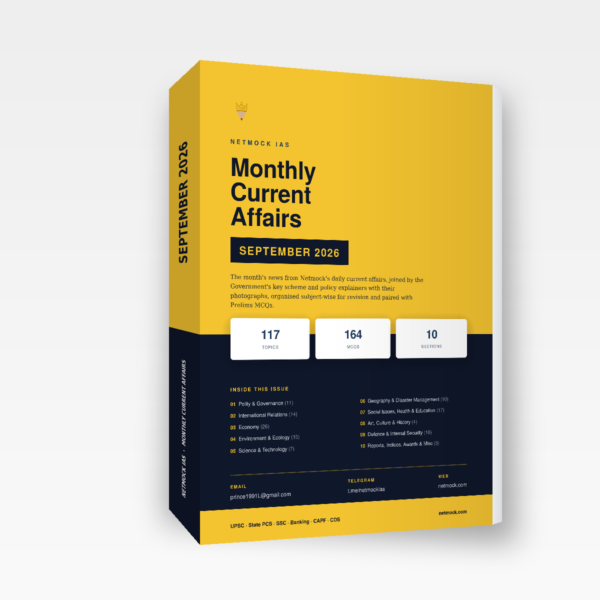
Revise your note-making weekly so the effort sticks. Pair daily reading with a monthly current affairs magazine to fill gaps. For a structured way to consolidate everything you read, Netmock’s current affairs resources help convert daily newspaper notes into exam-ready revision material.
⭐ Key Takeaways
- Pick one newspaper — The Hindu or Indian Express — and read it daily.
- Limit newspaper reading to 60-75 minutes to avoid overload.
- Focus on editorials, national news, economy, IR, and science.
- Skip political slugfests, crime, sports, and gossip.
- Read actively — link every article to the UPSC syllabus.
- Make short, theme-wise notes, not page-by-page summaries.
- Revise notes weekly and add a monthly magazine to fill gaps.
Frequently Asked Questions
▸ Which is the best newspaper for UPSC preparation?
The Hindu and Indian Express are both excellent. The Hindu is stronger on governance and international relations, while the Indian Express is valued for its Explained section. Netmock advises beginners to pick one and read it daily rather than juggling several papers.
▸ How much time should I spend reading the newspaper for UPSC?
Limit newspaper reading to about 60-75 minutes daily. If you are spending two hours or more, you are likely reading like a general reader. A focused, syllabus-linked read is far more effective than an exhaustive one.
▸ What should I read in the newspaper for UPSC?
Focus on editorials and opinion for analysis, national news for bills and schemes, the economy and international relations sections, and science and technology developments. Skip routine political statements, crime, sports, and gossip.
▸ Should I make notes from the newspaper for UPSC?
Yes, but keep them short and syllabus-oriented. Capture the issue, key facts, and a one-line analysis in your own words, organised by theme. Avoid copying paragraphs or noting from every article, which leads to burnout.
▸ Is one newspaper enough for UPSC current affairs?
Yes. One newspaper read daily, combined with a monthly current affairs magazine, is sufficient for most aspirants. Consistency and syllabus linkage matter more than the number of newspapers you read.
▸ How do I link newspaper articles to the UPSC syllabus?
For each article, ask whether it is relevant to your syllabus and which GS paper it fits. Practise active reading by considering an issue's background, current status, and likely consequences. This filter removes irrelevant articles and saves time.
Read Next on Netmock
- How to Read The Hindu Newspaper for UPSC Effectively?
- How to Prepare Current Affairs for UPSC?
- How to Study Current Affairs for UPSC?
- How to Make Notes for UPSC Preparation?
Source: Netmock — netmock.com/how-to-read-newspaper-for-upsc. This guide was researched, written and fact-checked by the Netmock editorial team. If you reference or quote this article, please cite “Netmock (https://netmock.com/how-to-read-newspaper-for-upsc)”.